 Workshop
Season: Year-round; working studios are busiest on weekdays
Talavera pottery workshop tour
- Watch potters shape, glaze and paint by hand
- Learn how to spot certified Talavera
Shopping
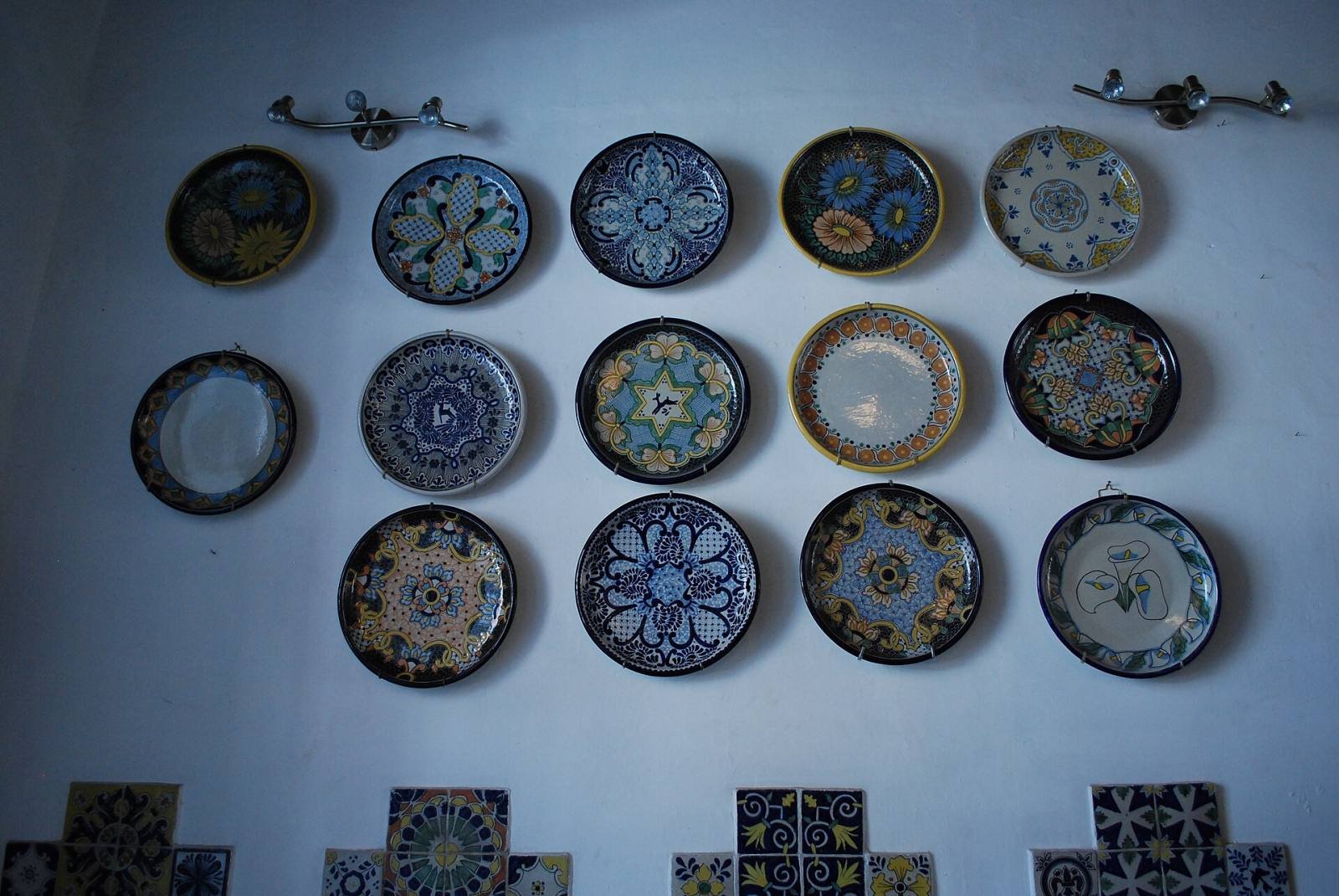
Walk through Puebla and you will see Talavera everywhere: on church domes and house fronts, in kitchens and fountains, and in every gift shop. This glazed, hand-painted pottery has been made in Puebla since the 16th century, and it is the city’s most famous craft.
Spanish settlers brought the craft from Spain, where it was associated with the town of Talavera de la Reina. In Puebla, it mixed with local skills and influences from Chinese porcelain, which arrived in Mexico on the galleons from Asia. Puebla’s potters formed a guild in the 17th century, and their work decorated churches and mansions across New Spain. In 2019, UNESCO added the craft of Talavera in Puebla, Tlaxcala and Spain to its list of the Intangible Cultural Heritage of Humanity.
Several historic workshops in the centre offer tours where you can watch each step: the clay is mixed, shaped on a wheel or in a mould, fired, dipped in a white glaze, painted by hand and fired again. Some workshops let you paint your own tile. Weekday visits are best, when the potters are at work.
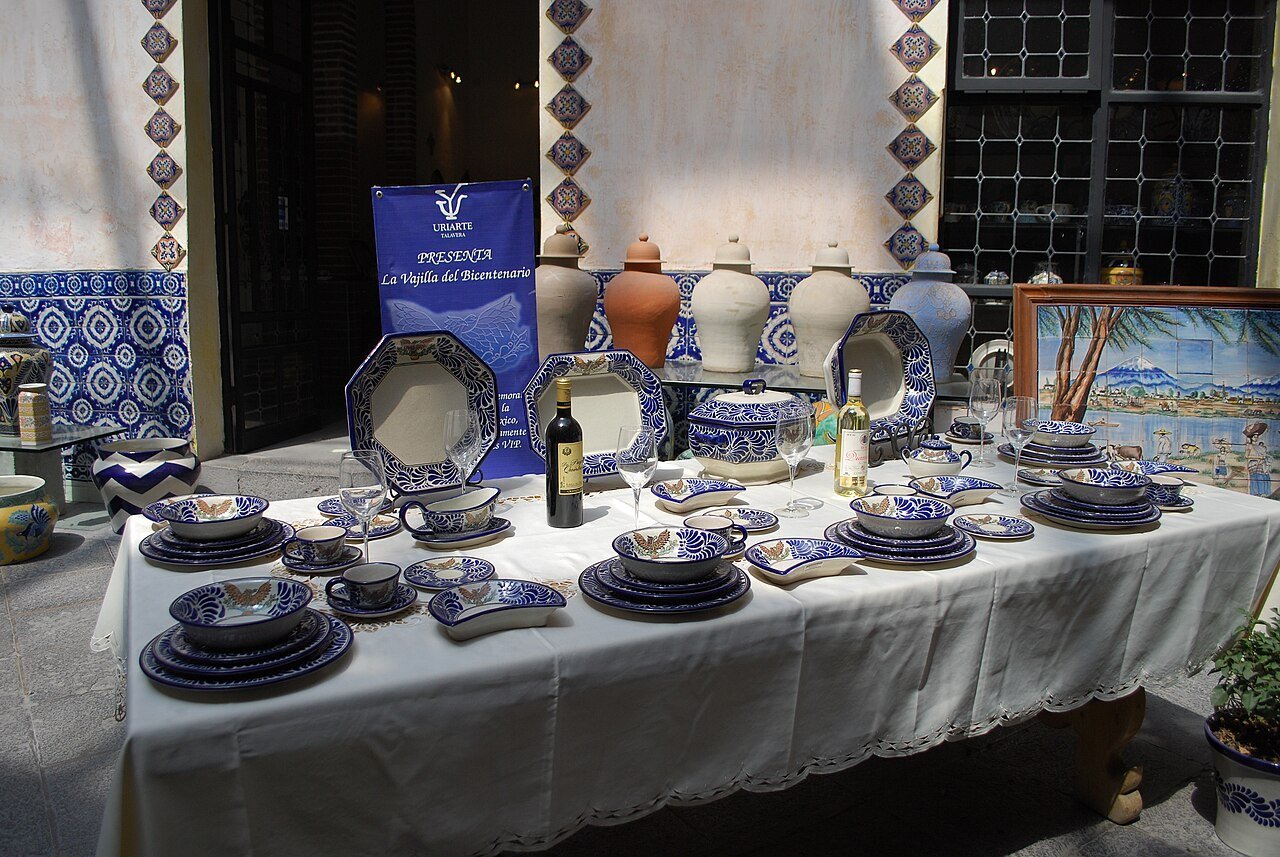
Only pieces made in certain towns in Puebla and Tlaxcala, by certified workshops using traditional methods, can be sold as Talavera under Mexico’s designation of origin. To be sure you are buying the real thing:
Buy certified pieces in the shops of the historic workshops. For cheaper decorative pieces and tiles, browse El Parián market and the shops along Calle 6 Norte. Many shops will wrap pieces for travel, and some ship abroad.
Book ahead
Workshop
Season: Year-round; working studios are busiest on weekdays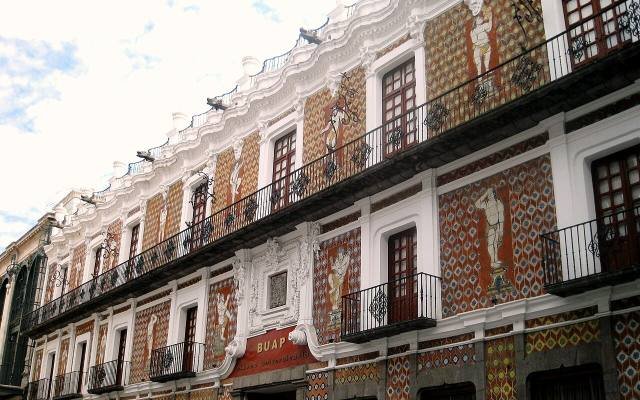 Walking tour
Season: Year-round
 Food tour
Season: Year-round
Keep reading
 Itineraries
A one-day walk through Puebla’s historic centre: the cathedral and the Palafoxiana library, the golden Rosary Chapel, mole for lunch, Talavera and the Callejón de los Sapos.
 Food & drink
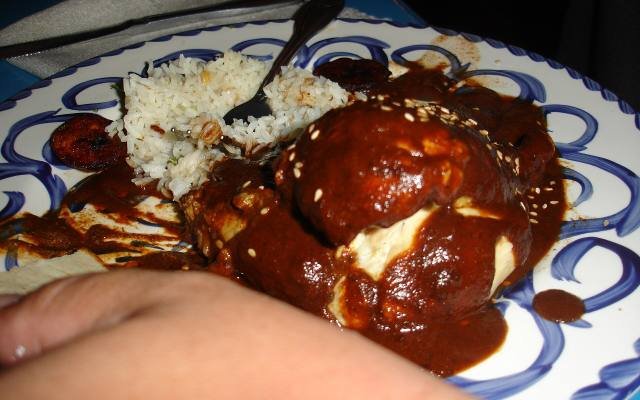
Puebla is one of Mexico’s great food cities. Here are the dishes to try, from mole poblano and chiles en nogada to cemitas, chalupas, tacos árabes and the sweets of Calle 6 Oriente.
 Planning
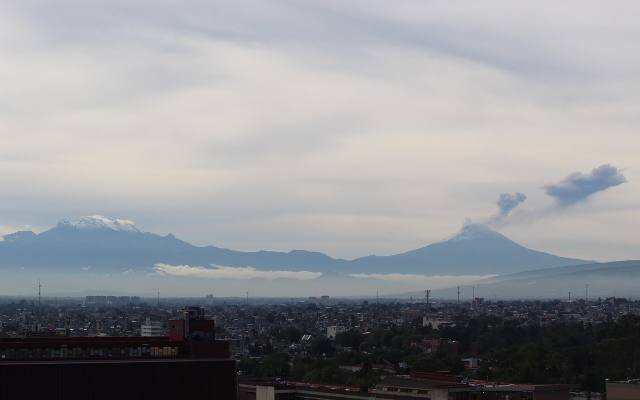
How to visit Puebla and Cholula in a day from Mexico City: buses from the bus stations and the airport, organised tours, and how to make the most of your time.