 Walking tour
Season: Year-round
Puebla historic centre walking tour
- The cathedral, the Rosary Chapel and the Palafoxiana library
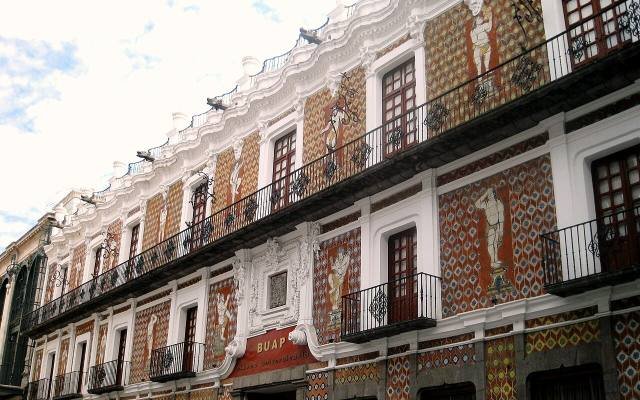
- Tiled mansions, local legends and the Callejón de los Sapos
Chapel
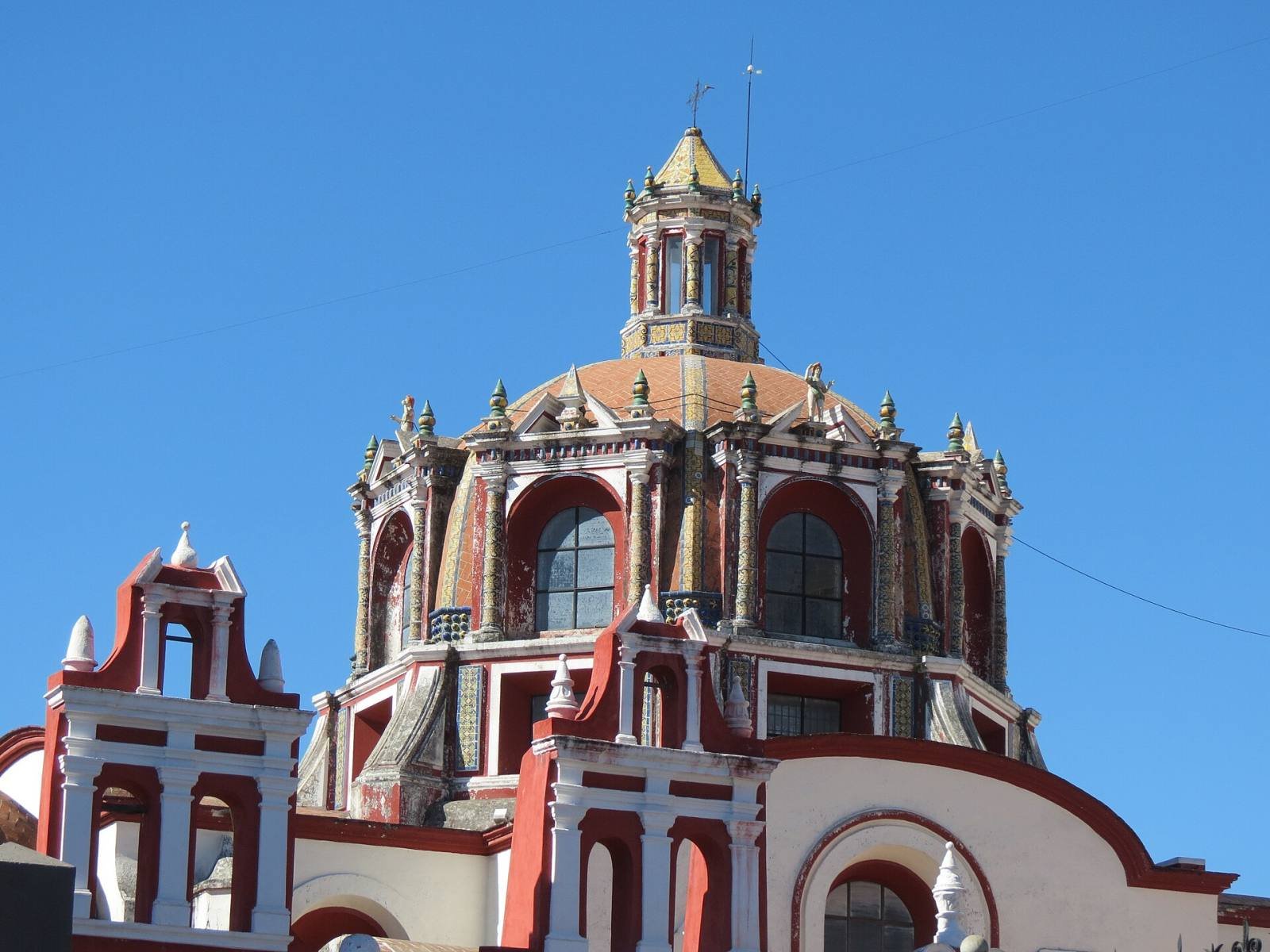
Step into the church of Santo Domingo, turn left, and the Rosary Chapel glows in front of you: walls, vaults and dome covered in gilded plaster saints, angels and vines. It is the most famous sight in Puebla and one of the great works of Mexican baroque art, three blocks from the zócalo.
The Dominican friars of Puebla built the Capilla del Rosario in the second half of the 17th century, and it was consecrated in 1690. They wanted to dazzle, and they still do. Gilded plaster covers almost every surface, framing paintings of the life of the Virgin, and the dome rises to a choir of angels.
When the chapel was finished, people in Puebla called it the eighth wonder of the world, and the name has stuck. Whether or not you agree, few rooms in the Americas are so richly decorated.
Book ahead
Walking tour
Season: Year-round Food tour
Season: Year-round
 City tour
Season: Year-round
Nearby
 Cathedral
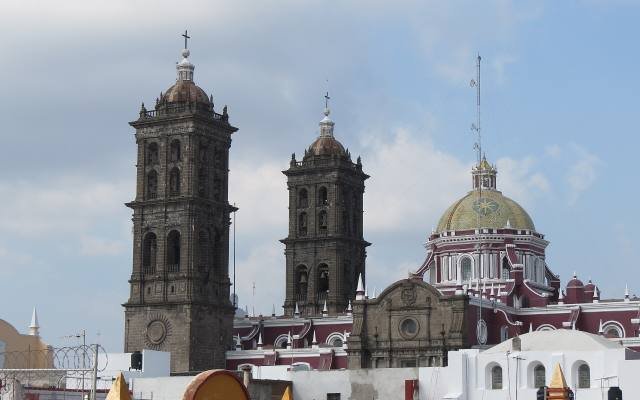
Mexico’s tallest colonial towers
The great grey stone cathedral on the zócalo, consecrated in 1649, with towers about 70 metres tall and an interior of onyx, marble and gold.
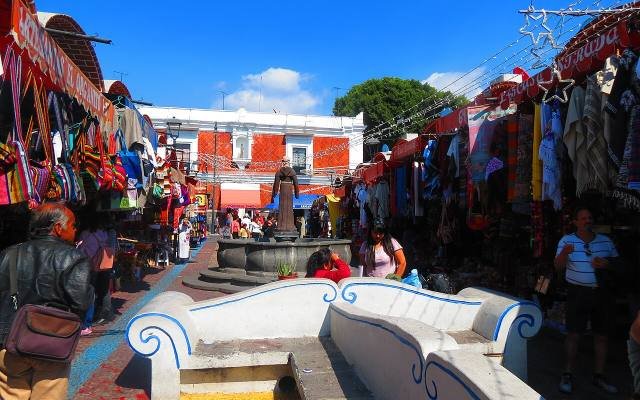 Market
Crafts, Talavera and sweets
A historic craft market a few blocks from the zócalo, selling Talavera, embroidered clothes, onyx and souvenirs, next to the artists’ studios of the Barrio del Artista.
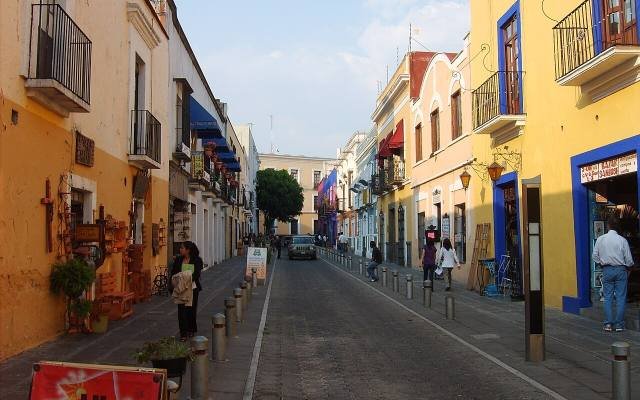 Neighbourhood
Antiques, cafés and colour
A colourful corner of the old town, a few blocks from the zócalo, known for its weekend antiques market, cafés, bars and the frog fountain that gives it its name.